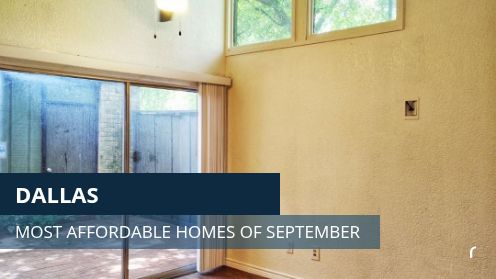


In the last decade, the average new single-family home in the U.S. has become more compact—shrinking from 2,700 sq-ft to 2,400 sq-ft. Yet, the price per square foot has surged by about 72%. By 2025, one in four new homes sold measured under 1,800 sq-ft, compared to just one in six ten years ago, while larger homes (3,000 sq-ft or more) now make up only one in five sales. Builders are favoring smaller designs to balance out rising land, labor, and material costs—an effort to keep homes more accessible, especially with mortgage rates hovering around 6–7%. For first-time and budget-conscious buyers, these smaller homes can make ownership more attainable through lower down payments and monthly costs, though the higher per-square-foot prices reflect the ongoing challenge of affordability.
As someone who helps families and investors across the DFW Metroplex—often with unique needs like proximity to EPIC Masjid or top schools—I see how these trends play out locally. My data-driven approach means keeping a close eye on how smaller home footprints and pricing shifts impact Bangladeshi, Muslim, and newcomer buyers in Dallas, Plano, Richardson, and beyond. Navigating these changes takes more than just market knowledge—it’s about advocacy and understanding what matters most for each household.